Seeing RED in Sport — When Training Harder Stops Working


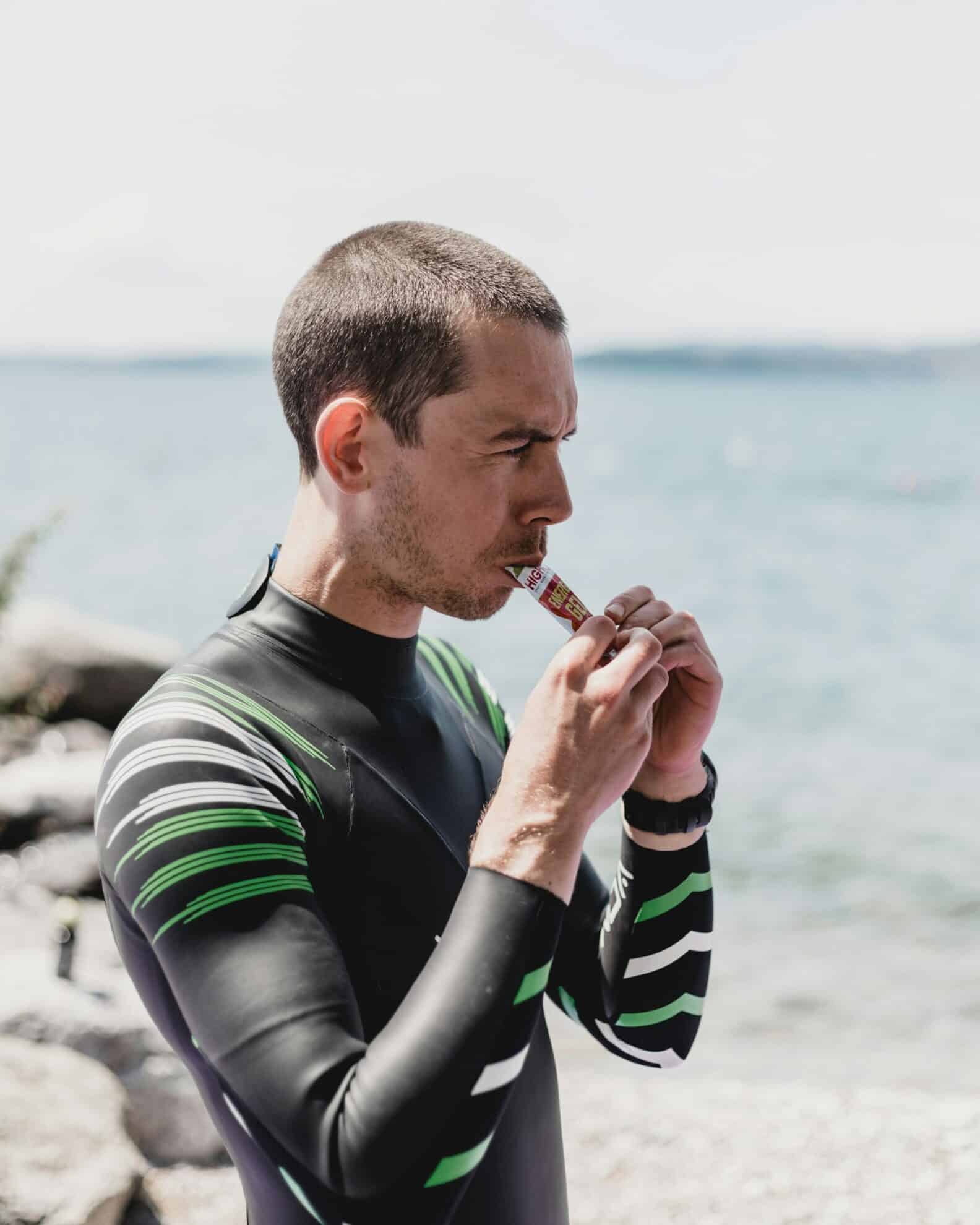
You’ve been training consistently, maybe even harder than usual. But instead of feeling stronger, you’re constantly tired. Recovery is slower. Motivation has quietly slipped, and you can’t quite say why. Perhaps you’ve assumed it’s just a rough patch, or that a few extra rest days will fix it.
What if the problem isn’t how hard you’re training, but whether your body is getting enough fuel to support it?
The gap between energy in and energy out
Every kind of movement — a daily gym session, weekend sport, marathon training, a physical job — costs the body energy. Most of the time, eating enough to cover that cost happens without much thought. But it’s easy for a gap to open up: training increases gradually while eating doesn’t keep pace, or life gets busy and meals get skipped, or body image pressure leads to quietly eating less without really deciding to.
When the body isn’t getting enough fuel to cover both movement and its normal everyday functions, it starts making trade-offs. Energy that would normally go towards recovery, immune function, hormone production, and bone health gets redirected towards simply keeping essential systems running.
In sport and exercise science, this is called Low Energy Availability, and when it persists, it can develop into something with a more specific name: Relative Energy Deficiency in Sport, or RED-S. You don’t need to be an elite athlete, or be restricting food on purpose, for this to happen.
Some common pathways include:
- Increasing exercise without adjusting how much you eat
- Skipping meals around a busy work, study, or training schedule
- Cutting back on food to change how your body looks
- Following restrictive diets or “clean eating” rules picked up from social media
- Feeling pressure — from a sport, social media, a gym culture, or aesthetic ideals — to look a certain way
Why “just overtraining” is the easier story
When performance or energy dips, “overtraining” is often the first explanation reached for. It’s a familiar idea, and in many fitness and sporting circles, training hard is treated as something to be proud of — so when things start going backwards, the instinct is either to push through or to rest for a few days and hope it resolves.
Training load is genuinely part of the picture. But it’s rarely the whole picture, and mistaking underfuelling for overtraining means treating the wrong problem. Overtraining is essentially a recovery issue — the fix is less load and better rest. Underfuelling is an energy issue, and no amount of rest will resolve it if the body still isn’t getting enough to run on.
What it can look like
Because energy availability affects the whole body, not just performance, the signs can show up in places that don’t seem obviously connected to exercise at all:
- Ongoing fatigue that doesn’t lift with rest
- A plateau or decline in fitness or performance despite consistent effort
- Getting sick more often than usual
- Feeling cold more easily
- Trouble concentrating, or a persistent mental fog
- Changes to menstrual cycles
- Low mood, or a noticeable drop in motivation and enjoyment
- More frequent injuries, or injuries that take longer than expected to heal
- Increasing preoccupation with food, eating, or body image
None of these on their own means something is wrong. But together, or over time, they’re worth paying attention to — they’re the body’s way of flagging that something isn’t adding up.
Abby’s story
The following is a case example, drawn from common patterns seen in practice, not a description of any one client. Let’s call her Abby.
Abby is a competitive recreational triathlete in her thirties who came to see me feeling flat and unmotivated, assuming she’d simply burned herself out after a big training block. She wasn’t dieting, didn’t think about food much at all — training had crept up around a demanding job, and meals had quietly become an afterthought.
Rest alone didn’t touch how she felt. What helped was closing the gap between what her training was asking of her body and what she was actually giving it back. We started by identifying and naming the pattern — eating less without really noticing — then testing the hypothesis by getting Abby to up her food intake and see what happened. Next we connected Abby in with a dietician so she could understand better what foods to eat and when, to restore and maximise energy for sport and life.
Rebuilding the balance
If this sounds familiar, the aim isn’t to train less out of some sense of failure, or to abandon your goals. It’s to make sure your body has what it needs to actually meet them.
Martha GrahamThe body says what words cannot.
That might mean adjusting how you’re eating around training, addressing the barriers that make it hard to fuel consistently, or getting support from a GP, dietitian, or psychologist if the pattern feels bigger than something you can shift on your own — particularly if it involves your relationship with food, body image, or a cycle of pressure and restriction that’s hard to step outside of alone.
Fatigue, low mood, and a body that won’t quite cooperate aren’t failures of willpower. More often, they’re information — your body telling you something about what it needs. Learning to read those signals, rather than pushing past them, is part of training sustainably for the long run.