After the Harvest | The Science of Recovery


The science of recovery — what we can learn from farming the land
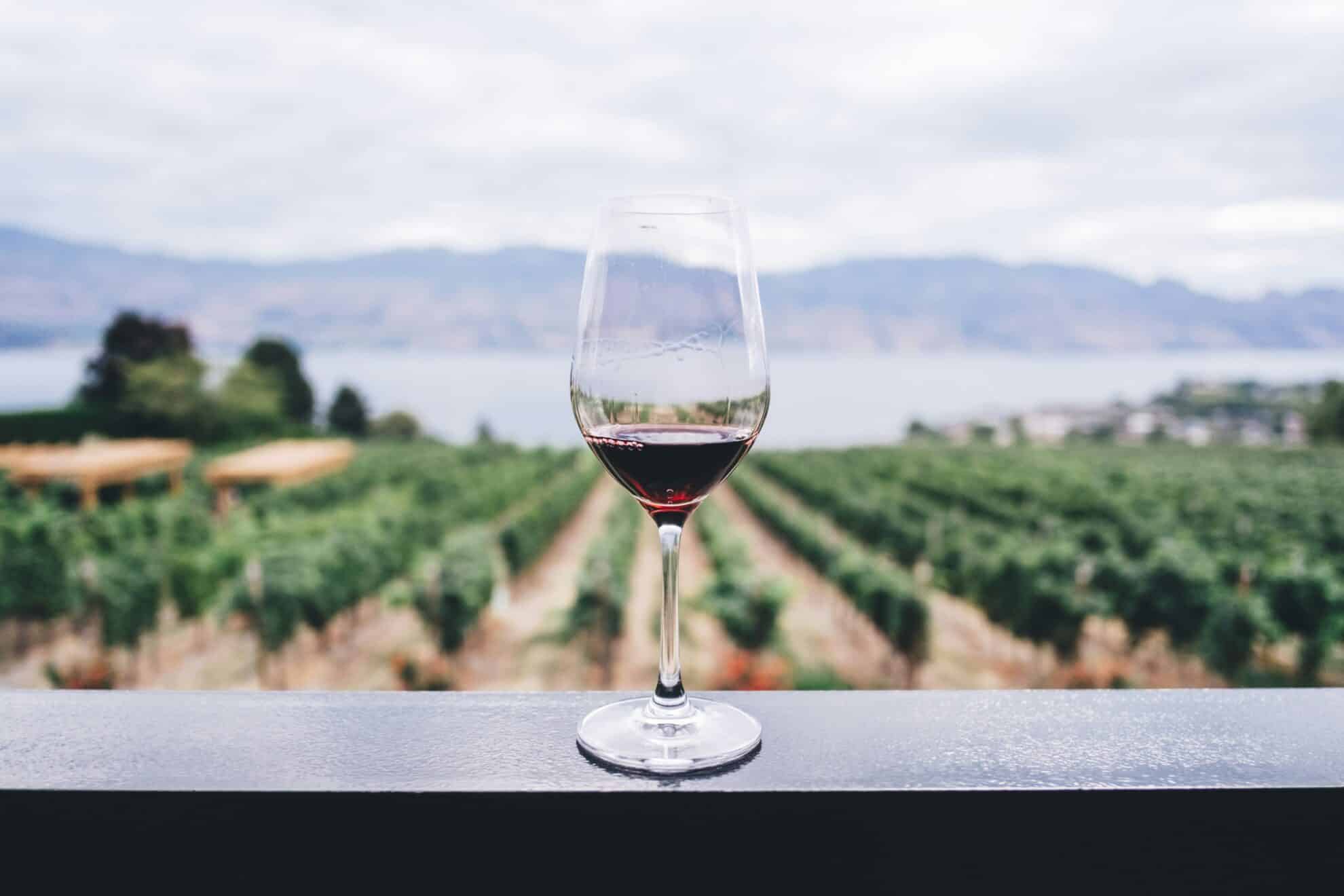
Picture this. It’s early April in the Tamar Valley, Tasmania. The last of the pinot noir has been picked by hand, weighed, and sent down the road to the winery. The vines — stripped of their fruit after weeks of harvest — stand quietly along the river banks as the valley cools into autumn. The crew that spent weeks moving slowly through the rows in the crisp morning air, working block by block, parcel by parcel, are sitting around a table together for the first time in months. Someone has made too much food. There’s wine, of course. Nobody is talking about next season yet.
The vineyard is entering its dormancy. And everyone — the vines, the soil, the people — knows it’s time.
Now picture a Monday morning in a city office. The financial year has technically ended. The big project wrapped on Friday. And yet, by 8am, inboxes are full, a new initiative is already being scoped, and the team that worked flat out for six months is quietly loading up for another sprint — without ever really stopping.
Same human beings. Very different relationship with rest.
Nature has a built-in off switch. Calendars don’t.
Life in the Tamar Valley is governed by seasons, and those seasons are relentless teachers. Harvest in March and April — grapes picked carefully, parcel by parcel, the timing governed by ripeness and cool-climate instinct rather than the exact day on a calendar. Then pruning through winter. Then budburst in September, when the growing season starts again and the vines come back to life.
The harvest itself is weeks of intense, physical, time-pressured work, often starting in the cool early morning air, governed by weather and flavour development and the exacting demands of the winemakers waiting downstream. The Tamar Valley’s long, slow growing season — its latitude sitting at around 42 degrees south, sharing the cool-climate conditions of Burgundy — means that ripening is gradual, careful, and worth protecting. Nothing is rushed. Everything has its time.
And then — it ends. Not gradually, not ambiguously. The fruit is off. The season is over. The land announces it.
Growers understand this rhythm in a way that shapes everything about how they work. They push hard when the season demands it — sometimes brutally hard. But they also recognise, culturally and practically, that the post-harvest period is different. Equipment gets serviced. Vines get pruned. And people, quietly and without much fanfare, exhale. They rest more. They take the holiday they couldn’t take in February. They ease off in a way that feels earned and natural, because the environment itself is signalling: the sprint is done.
Office life rarely offers the same clarity. The pressures are invisible — a screen, a Slack notification, a dashboard that never reads zero. There is always more work available if you go looking for it, and in high-performing teams, people almost always go looking. The result is a workplace rhythm that functions less like a season and more like a continuous, low-grade sprint — no clear beginning, no clear end, no moment where the culture gives you permission to put the tools down and breathe out.
Burnout doesn’t usually arrive all at once. It accumulates, quietly, in the lack of a gap between effort and recovery.
The dormant vine isn’t dead. It’s preparing.
Here’s something that surprises people who haven’t spent time around viticulture: a vine in winter dormancy is not inactive. Once harvest is over, the vine begins moving carbohydrates — stored as starch — into its roots, trunk, and woody structures. These reserves are what fuel the next season’s bud burst, early shoot growth, and flowering. The vine relies entirely on what it stored during dormancy before new leaves can take over photosynthesis again. Cut that dormancy short, and you compromise not just this season — but the next one.
The same is true of people, and the science is unambiguous.
Research on what’s known as effort-recovery theory shows that psychological detachment from work during off-hours is one of the strongest predictors of next-day energy, focus, and mood. It’s not simply about hours slept; it’s about genuinely stepping away.
Occupational health psychologist Sabine Sonnentag and colleagues have shown across multiple studies that workers who mentally disengage from work in the evenings — who aren’t mentally “on” through dinner, through the evening, through the morning commute — report lower exhaustion, fewer stress symptoms, and stronger performance the following day.
Like the vine drawing carbohydrates down into its roots through winter, something important is happening beneath the surface of a genuine rest — even when, especially when, we can’t see it.
In elite sport, this principle has long been foundational. Researchers studying expert performers found that even the world’s best musicians, athletes, and chess players rarely sustain more than around four hours of deep, deliberate work per day. What distinguished the elite from the merely accomplished wasn’t that they worked longer — it was that they worked with greater intention, and they rested more deliberately. The recovery wasn’t incidental to the performance. It was structural to it.
When we don’t rest, the work suffers anyway
There is both a wellbeing case and a performance case for taking recovery seriously — and in the long run, they’re the same case.
A large prospective study of over 2,000 British civil servants — the Whitehall II Study — found that working more than 55 hours per week was associated with significantly lower scores on reasoning and vocabulary tests, with the effects worsening over a five-year follow-up period compared with those working 40 hours or fewer. Sustained overload doesn’t just exhaust people — it quietly erodes the very capacities that make their work valuable: judgment, clear thinking, and the ability to reason well under pressure.
A grower who pushes their vineyard too hard for too many seasons — cutting corners on rest, skimping on soil recovery, never letting the land replenish — will eventually find the fruit thinner, the vines more vulnerable, the yield compromised. Nobody in viticulture would argue that’s a smart long-term strategy. And yet many organisations inadvertently do exactly this with their people, season after season.
Dr Jo MitchellWe've built workplaces that run like it's always harvest time. Then wonder why people stop bearing fruit.
Neuroscience adds another layer. Research into the brain’s default mode network — the neural system most active during rest, reflection, and mind-wandering — has established that this network plays a significant role in creative thinking, insight, and the kind of associative thinking that generates new ideas. This system is most active precisely when we are not focused on a task.
When we eliminate quiet moments — back-to-back meetings, no lunch break, notifications through the evening — we’re not just depleting ourselves. We’re cutting off one of the brain’s most valuable processing systems. We’re harvesting before the fruit is ready.
Designing seasons into office life
Here’s the question worth sitting with: if a Tamar Valley vineyard can trust the seasons, can an organisation learn to design them?
More possible than it sounds. The pinot noir doesn’t magically know when to ripen — growers track it, manage it, create the conditions for it. Organisations can do the same with their rhythms of effort and recovery.
Name your busy periods honestly. Most teams have them — end of financial year, grant rounds, peak client periods, their own version of harvest. Map them out. Put them on a wall. When people can see the shape of the year, the quieter periods become visible too — and they start to feel like something to protect rather than something to fill.
Mark the transition. In a vineyard, the end of harvest has a moment — a meal, a drink, a collective exhale, the particular quality of silence after weeks of noise and urgency. Offices can create the same. A team gathering is a start, but it lands more powerfully when it comes with explicit language: “The big push is done. This next period looks different. We want you to use it differently.” Without that signal, people default to more work. They need permission — and they need to see it modelled.
Protect the off-season. If quieter periods exist on paper but nobody actually eases up, the season hasn’t changed — just the official workload. Leaders need to demonstrate the shift. Take the lunch break. Don’t send the Sunday evening email. Talk openly about what you’re doing to recover after a hard stretch. Sonnentag’s research suggests that leaders who detach from work during non-work hours actively influence their teams’ ability to do the same — the modelling effect is real.
Let the soil breathe. Some organisations build in formal lighter periods — protected weeks with no new project launches, or a post-peak window where meetings are reduced and people can catch up, reflect, and consolidate. This isn’t lost productivity. This is the dormant vine storing energy for spring.
For individuals navigating systems that haven’t yet caught up: you don’t have to wait. You can create micro-seasons for yourself — deliberately marking the end of a project with some kind of ritual or pause, protecting one genuinely quiet evening each week, identifying in advance what you’ll do when a big push is over rather than just sliding into the next one. The awareness alone is the beginning of a different relationship with rest.
The deeper invitation
What farmers understand — what nature has always known — is that the land and the people who work it are not machines. They are living systems, and living systems require cycles. Push without pause, produce without replenishment, harvest without dormancy, and eventually the system declines. This is not philosophy. It is biology.
The science of human performance is telling us the same thing. Rest is not the absence of work. It is part of the work. Recovery is not a reward for effort — it is the condition that makes sustained effort possible. The dormant vine, the post-harvest table full of people who are too tired to talk about next season yet: these aren’t failures of productivity. They are the system working exactly as it should.
The invitation for every workplace — whether it overlooks rows of pinot noir vines along the kanamaluka/River Tamar or an open-plan floor in the Melbourne CBD — is the same: stop treating rest as what happens when the work runs out. Start treating it as part of how the work gets done.
Good farmers know this. The question is whether we’re ready to learn from them.
—
Dr Jo Mitchell is a clinical and coaching psychologist with a deep curiosity and passion for sustainable performance and good mental health.